Don’t cry for me . . .
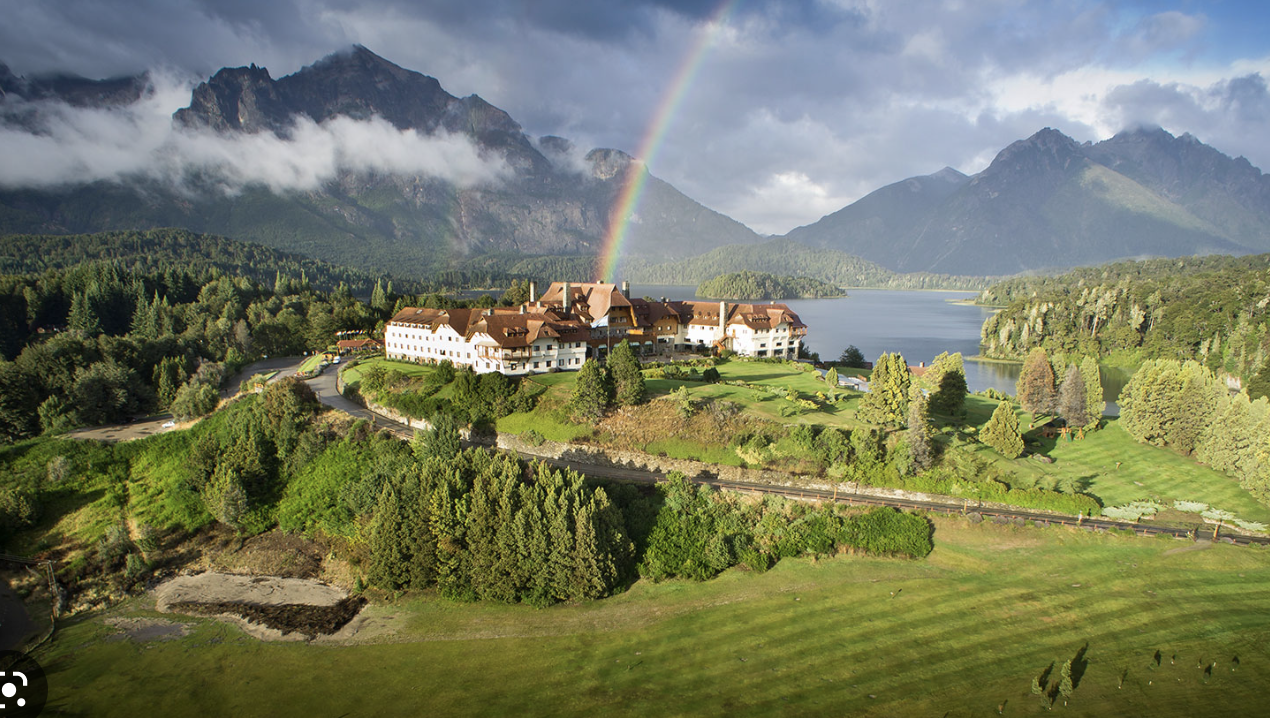
We recently did an 8-hour drive from the Chilean island of Chiloé to San Carlos de Bariloche in Argentina, where we had booked a room for three nights in a very nice hotel (much above our usual price range). Or at least we intended to drive there; we never completed the journey. Indeed it is highly unlikely that I will ever visit Argentina, at least in this life.
At 3 pm we approached the border in the Andes foothills and saw a long line of cars. On further inspection (by foot), the line was almost 2 kilometers long. More importantly, it was not moving. We gained a mere 100 or 200 meters during those three hours of sitting in traffic. At 6 pm, a police officer informed us that the border would close at 7, and there was no chance of our getting through, and that we should return the following day at 9 am. That meant a very long backtrack to an a part of Chile where there were almost no rooms available.
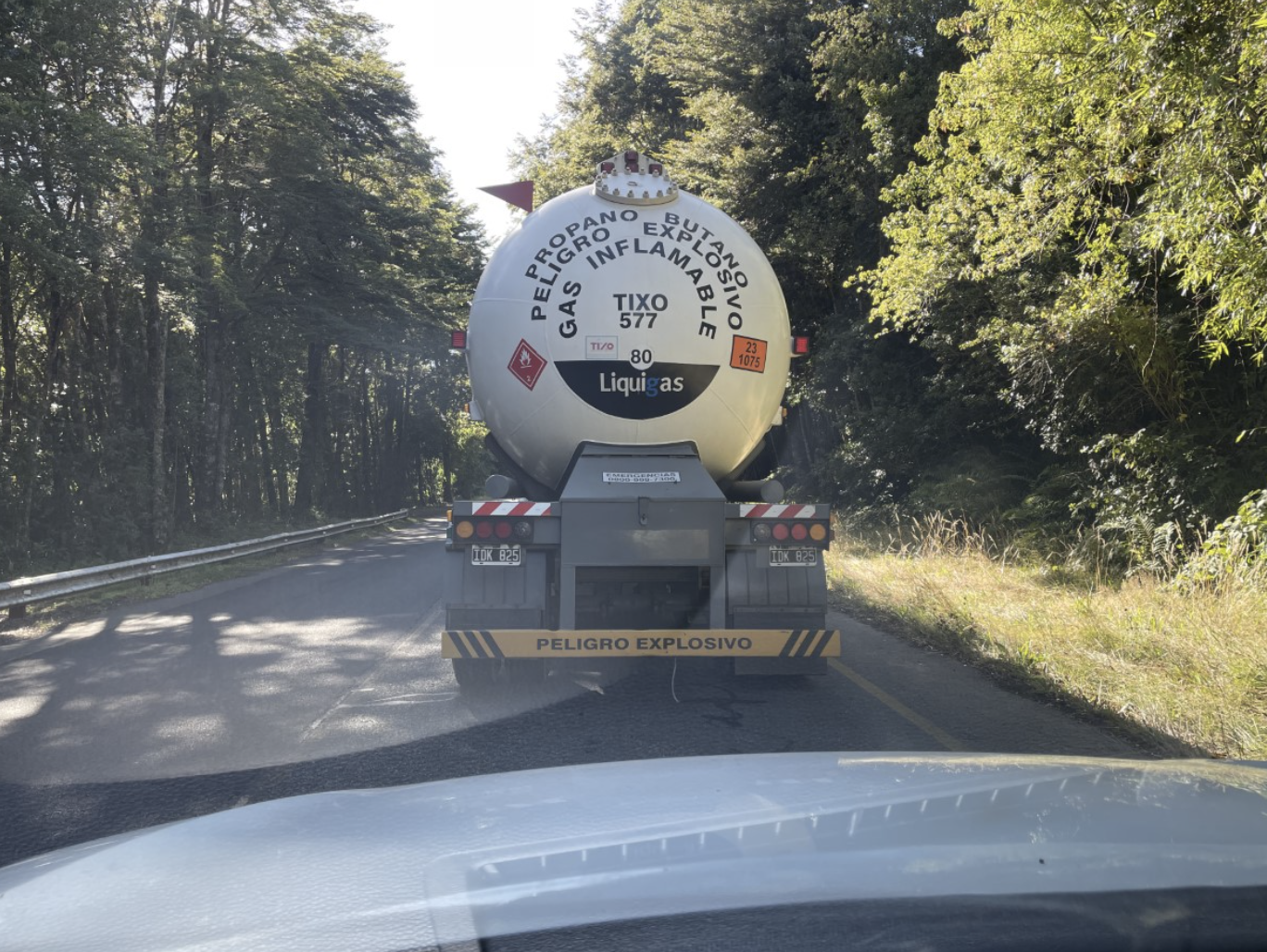
We eventually found a “hotel room” for $50, which was pretty primitive. The next day we went back up the long highway, and again confronted a 2 kilometer line of cars. This time we waited only an hour, during which time the line barely budged—more “computer problems”. We sat behind this vehicle:
At this point, we decided that perhaps Argentina was not for us. Our original intention was to do a vacation in Argentina, not Chile. When we found out that people using credit cards in Argentina were charged double (necessitating the carrying of thousands of dollars in cash), we opted for the Chilean alternative. Nonetheless, I thought there’d be no harm in dipping into Argentina for three days. But crossing borders down here is not like driving from France into Belgium.
Don’t cry for me; we’ve seen lots of great scenery in Chile. Cry for the Argentinian people who have to deal with their dysfunctional government every single day of their lives.
P.S. Things I like about (southern) Chile:
1. Clear sky—no airplane entrails. Upside down moon. Better stars.
2. Great scenery—delightful climate in the lake district.
3. Friendly people (mostly).
4. Chile reminds me of when I was young. Old fashioned diner-type places along the road, with virtually no corporate fast food. The parking areas are gravel, so lots of dust is kicked up by cars. Lots of hitchhikers, both male and female. Perhaps it’s safer than other Latin American countries? (Except Valparaiso.)
5. It’s almost a developed country.
6. The better restaurants–particularly the seafood.
Things I don’t like:
1. It’s almost an underdeveloped country–with all of the frustrating inefficiency that that implies. It’s nowhere near as tourist friendly as the US or Europe.
2. Unattractive towns with lots of wooden buildings. I had thought that Latin countries built out of stone.
3. Many mediocre restaurants, which have massive portions of meat and carb-intensive food.
4. Too many long gravel roads, not well signed.
5. As in many countries, it’s hard to just pull over to the side of the road.
One day you say to yourself: “Actually, Chile’s a developed country.” For instance, the cars and trucks are not as crappy as in many developing countries. And the next day you say “WTF?”
Last fall I was in Austria, and got spoiled. Travel here is more difficult.
Chile’s per capita GDP is about $16,000, or $29,000 in PPP terms. Basically, I would define a “developed country” as any country richer than Chile, and I’d define a “developing country” as any country that’s poorer than Chile. As I travel about, Chile looks almost exactly like I’d expect a country with a $29,000 (PPP) per capita GDP to look.
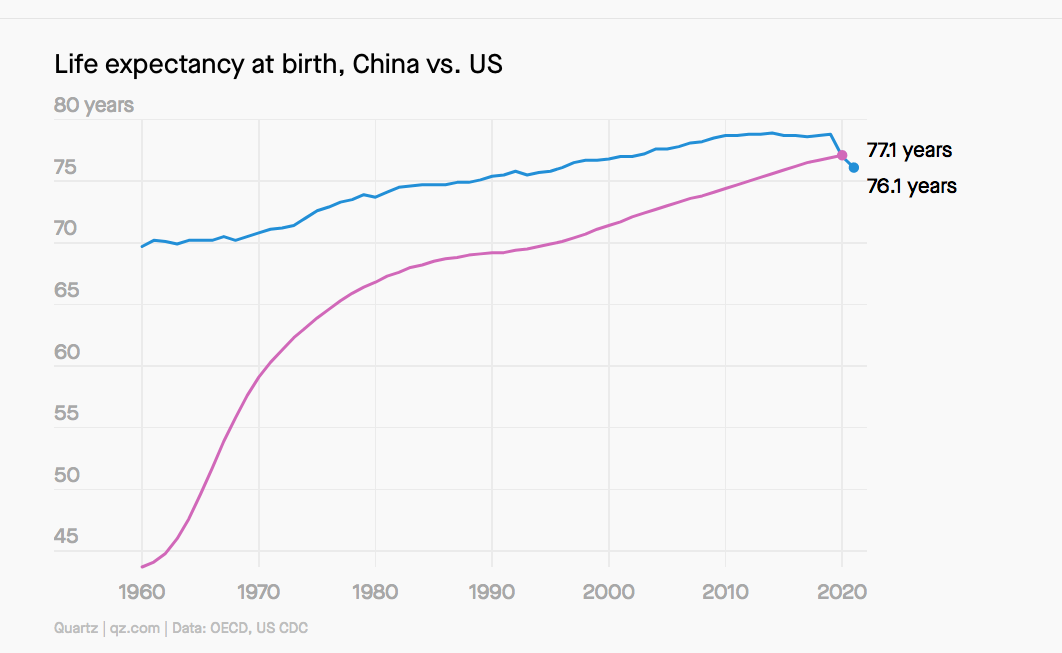
BTW, that’s why I’m skeptical of China GDP skeptics. China also looks almost exactly like you’d expect a country to look with its reported GDP/person (which is well below Chilean levels.) These things cannot be faked; it’s easy for any tourist to observe a country’s general level of economic development.
Speaking of China, it’s obvious that Chile has a close relationship with that manufacturing powerhouse. You see lots of Chinese cars on the road, and lots of trucks hauling natural resources that are likely being exported to China.
Chilean society is mostly comprised of a mix of Europeans and Native Americans. (I see very few of African or Asian descent.) I suspect that socioeconomic inequality in Chile is linked to ethnic differences, with the more “European” Chileans doing somewhat better than those with more native ancestry. (Can someone confirm?) I don’t meet many Chileans who know English, but you can sort of tell who’s more likely to know some English just based on appearance.
Chile could produce a lot of hydropower, but I believe there is opposition to building dams in the south.
Bonus question: Where am I?
1. It’s a very hilly city on the Pacific Ocean, with a grand harbor.
2. Based on the latitude, you’d expect a warm climate. But even in summer it’s only in the 60s (about 18 C)
3. But just 20 miles inland the weather can be much warmer, and there are famous valleys that produce great wine.
4. The city has a bohemian vibe.
5. Recently, they have an increasing problem with petty crime.
Still don’t know? Here’s some more hints:
6. Back in 1849, lots of men came through here on clipper ships, on the way to the gold fields in the Sierra Nevadas.
7. Its once great port has been eclipsed by nearby competitors.
8. In 1906, somewhere between 3000 and 4000 people died when a devastating earthquake leveled the city.
So where am I? Surely you ought to be able to answer the question by now.